What is Market Volatility and How to Handle It
Understand market volatility and learn effective strategies to handle it for your investments.
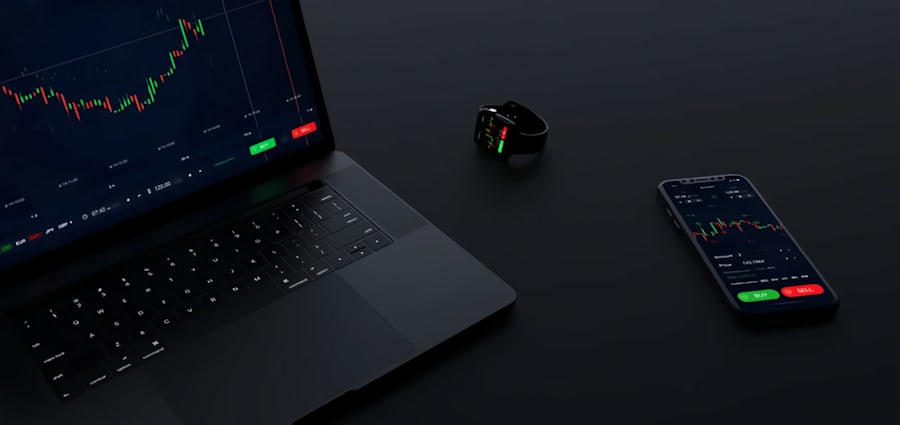
What is Market Volatility?
Market volatility refers to the rate at which the price of securities increases or decreases for a given set of returns. It is a statistical measure of the dispersion of returns for a particular security or market index. High volatility often indicates that a security's price can change dramatically in a short period of time, while low volatility suggests that a security's value is stable.
Understanding Market Volatility
Market volatility can be attributed to various factors, including:
- Economic indicators: Employment rates, GDP growth, and inflation can influence investor sentiment.
- Market sentiment: News, rumors, or predictions about a company or sector can lead to rapid buying or selling.
- Geopolitical events: Wars, elections, or international conflicts can instigate uncertainty in the markets.
- Natural disasters: Events like hurricanes or pandemics may impact supply chains and investment flows.
Investors often measure market volatility using the VIX, known as the "fear index," which predicts the future volatility of the S&P 500 Index based on options prices. High VIX levels typically reflect increased market anxiety and uncertainty.
How to Handle Market Volatility
Managing investments during periods of market volatility can be challenging. Here are some strategies to approach it:
- Stay informed: Keep up with financial news and understanding current economic conditions.
- Diversify your portfolio: Spread your investments across different asset classes to minimize risk. Consider:
- Stocks
- Bonds
- Real estate
- Commodities
- Maintain a long-term perspective: Understand that market fluctuations are normal. Holding investments long-term can mitigate the impact of volatility.
- Set clear investment goals: Determine your financial goals and risk tolerance. This clarity helps in making informed decisions during turbulent times.
- Consider automated investing: Robo-advisors and target-date funds can offer more stability by adjusting portfolios automatically based on market conditions.
- Limit emotional reactions: Avoid making impulsive decisions driven by fear or excitement. Stay disciplined with your investment strategy.
Key Takeaways
- Market volatility reflects the fluctuations in security prices and investor sentiment.
- Economic indicators, market sentiment, geopolitical events, and natural disasters contribute to volatility.
- Strategies to manage volatility include staying informed, diversification, and maintaining a long-term investment perspective.
Awareness of market volatility and a tactical approach can considerably enhance your investment strategy.
Disclaimer: This article is for informational purposes only and should not be considered as financial advice.