The psychology of holding through volatility
Why your biggest edge is behavioral, not analytical — and how to build it.
Published · VAQO Research
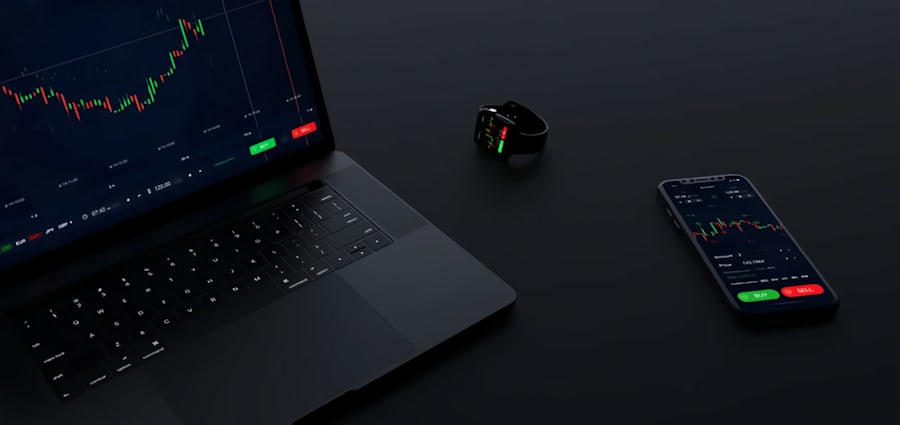
Most investors lose money because of behavior, not bad analysis. Holding through volatility is a learnable skill: pre-commit to what would prove you wrong, then size positions so normal swings never force a panic decision.
Why losses feel worse than gains
Losses feel roughly twice as painful as equivalent gains feel good. So when a position drops, the urge to stop the pain overwhelms the original thesis — usually at the moment of maximum fear, which is often the worst time to act.
Replace emotion with structure
Decide before you buy what would prove you wrong: a price level, a change in the business, a broken trend. If none of those happened, a falling price is noise, not new information. And right-size from the start — if a 20% swing would make you abandon the plan, the position was too big.
Key takeaways
- Write your "I'm wrong if…" rule before buying.
- Position size is the real volatility control.
- Falling price without broken thesis is noise.
This is not financial advice.
Frequently asked questions
How do you stay calm when a stock drops?
Decide your exit criteria before buying and size the position small enough that a normal decline does not threaten your plan, so you react to the thesis, not the fear.
Why do investors sell at the bottom?
Because losses are felt about twice as strongly as gains, the urge to stop the pain peaks at maximum fear — often the worst point to sell.